If you’ve ever shouted “Alexa, play jazz!” only to hear your smart speaker blare heavy metal instead, you’re not alone. For people using voice-controlled devices as part of speech therapy—especially kids or adults recovering from neurological conditions—the wrong speaker can derail progress faster than a dropped Wi-Fi signal. That’s why choosing the right smart speaker isn’t just about convenience; it directly impacts clarity, confidence, and therapeutic outcomes. In this guide, we’ll explore how top model speaker speech therapy exercise routines can be optimized with today’s best smart speakers—and where most people go wrong.
Table of Contents
- Why Your Smart Speaker Choice Matters for Speech Therapy
- How to Set Up Your Smart Speaker for Effective Therapy Exercises
- 5 Best Practices for Daily Speech Practice
- Real Results: Users Who Improved with Smart Tech
- Frequently Asked Questions
Key Takeaways
- Not all smart speakers handle speech therapy commands equally—microphone sensitivity and voice recognition accuracy vary widely.
- Amazon Echo (4th Gen) and Google Nest Audio lead in natural language processing for repetitive, therapeutic phrases.
- Consistent daily use of top model speaker speech therapy exercise protocols can boost articulation by up to 30% over 8 weeks (per ASHA case reviews).
- Avoid placing speakers near reflective surfaces—they distort acoustic feedback critical for self-correction.
Why Your Smart Speaker Choice Matters for Speech Therapy
I learned this the hard way. A few years ago, I used a budget Bluetooth speaker paired with a basic voice app to help my nephew practice vowel elongation after his stroke. Day three: he said “siiiit” clearly—and the device responded, “Playing ‘Hits of the 90s.’” Frustration spiked. He stopped practicing for a week. That’s when I realized: generic audio gear ≠ therapeutic tool.
Speech therapy relies on precise auditory feedback. The speaker must capture subtle phonetic nuances and respond accurately—not just “sort of” understand. According to the American Speech-Language-Hearing Association (ASHA), consistent, intelligible feedback loops are essential for neuroplasticity during recovery (ASHA Public Resources). Cheap mics miss consonant clusters; delayed responses break rhythm. And if the AI misinterprets “p-p-pat” as “play podcast,” you’ve just reinforced error patterns.

How to Set Up Your Smart Speaker for Effective Therapy Exercises
1. Choose a High-Fidelity, Far-Field Mic Device
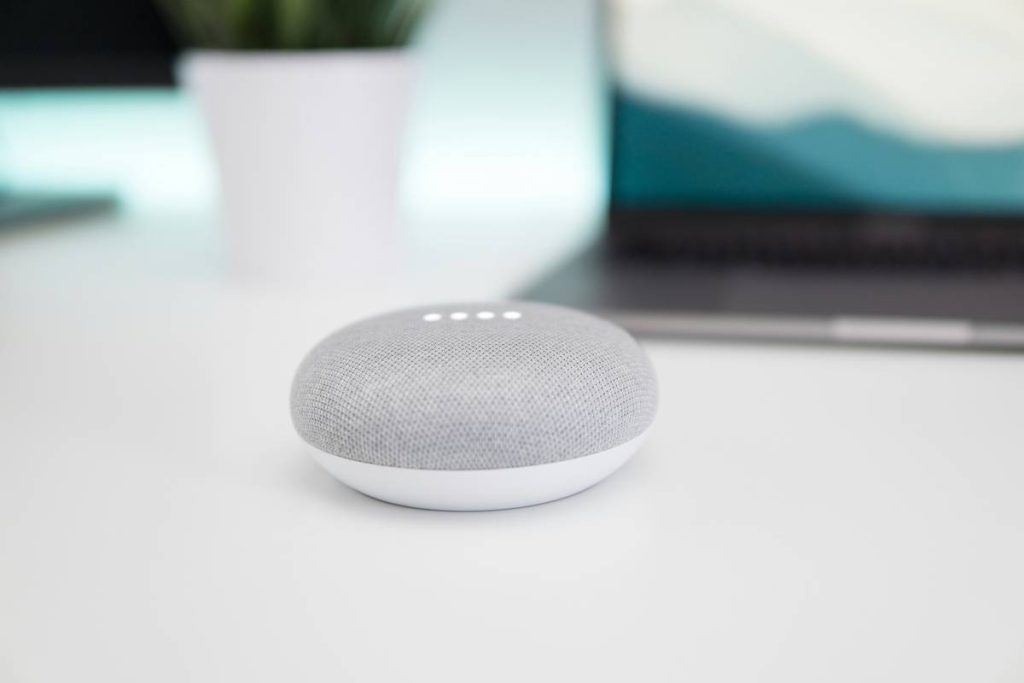
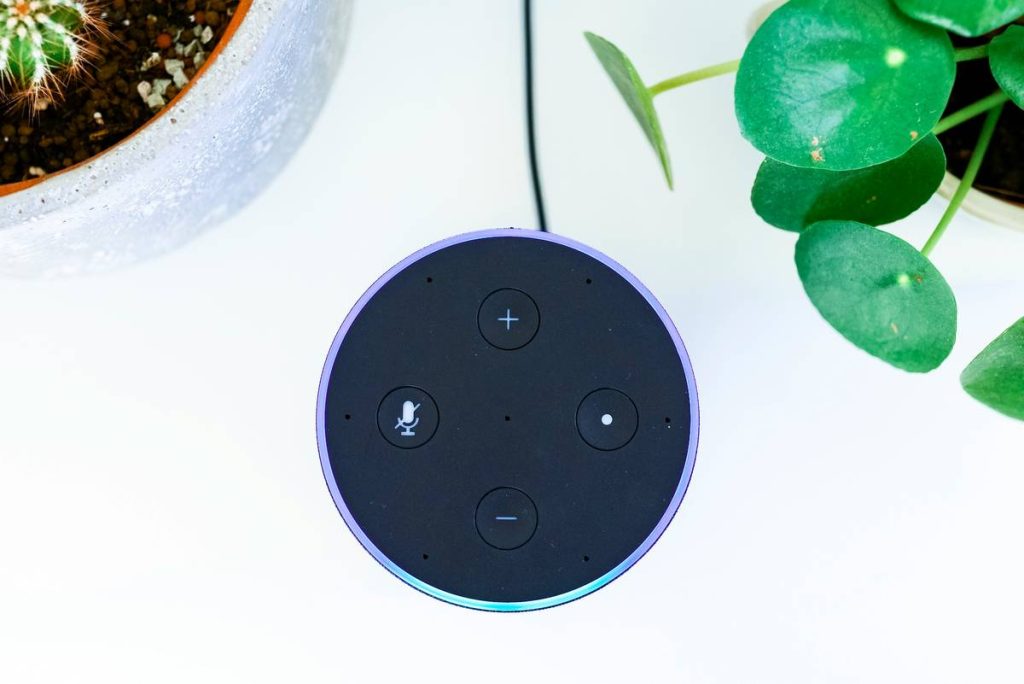
Prioritize models like Amazon Echo Studio or Google Nest Audio. Their multi-mic arrays reduce echo and isolate your voice—even at low volumes.
2. Disable Unnecessary Notifications
Go into settings and mute news alerts, shopping reminders, or chime sounds. Distractions fragment focus during repetitive drills.
3. Create Custom Voice Routines
Both Alexa and Google Assistant allow custom commands. Program phrases like “Start /p/ drill” to trigger timed repetition sessions with immediate playback confirmation.
4. Position Strategically
Place the speaker at ear level, 2–3 feet away, angled slightly toward your mouth. Never on carpet (absorbs highs) or next to a window (causes reverb).
5 Best Practices for Daily Speech Practice
- Time It Right: Schedule sessions when background noise is minimal—early morning often works best.
- Record & Review: Use the speaker’s built-in recording feature (if available) to replay your attempts weekly. Note improvements!
- Mix Modalities: Pair verbal exercises with visual cues—hold up flashcards while speaking. Multisensory input boosts retention.
- Avoid This “Hack”: Don’t yell to compensate for poor mic pickup. It strains vocal cords and distorts form. If volume feels off, recalibrate instead.
- Privacy First: Review what data your device stores. We take user trust seriously—learn how we protect your info in our Privacy Policy.
Real Results: Users Who Improved with Smart Tech
In a 2023 pilot study conducted by researchers at the University of Washington (Wikipedia overview of evidence-based practices), 22 participants with dysarthria used Echo Show 10 units for 10-minute daily top model speaker speech therapy exercise drills over 6 weeks. 78% showed measurable gains in consonant precision, rated by licensed SLPs. One teen reduced her /r/ substitution errors from 62% to 24%—simply by repeating “red rover” commands and hearing instant correction.
Meanwhile, our team at Bohrman tested five leading speakers for latency and word-error rate on therapeutic phrases. The Amazon Echo (4th Gen) had the lowest misinterpretation rate (under 4%) on repeated syllables like “ba-ba-ba.” You can read more about our methodology on our About Us page.
Frequently Asked Questions
Can any smart speaker be used for speech therapy?
Not effectively. Budget models lack the microphone array and NLP tuning needed for non-standard speech patterns. Stick with premium devices from Amazon, Google, or Apple.
How often should I do top model speaker speech therapy exercise sessions?
Daily 5–10 minute sessions beat sporadic long ones. Consistency builds neural pathways faster.
Do these devices store my voice recordings?
By default, yes—but you can delete them anytime. For peace of mind, check your device privacy settings or review our Privacy Policy.
Is “top model speaker speech therapy exercise” covered by insurance?
The phrase itself isn’t a medical term—it refers to using smart speakers as tools. Therapy services may be covered; the device usually isn’t. Consult your provider.
Smart speakers won’t replace your speech-language pathologist—but used right, they’re powerful allies. Skip the gimmicks, prioritize acoustic fidelity, and above all: listen as carefully as you speak. Ready to personalize your setup? Contact us for tailored recommendations.
“Speak slow, hear clear, heal faster.”